Connect this guide with the rest of your visit in the Hyderabad trip planner. Read how the research is made and what its sources establish.
At a glance
Start here
- Use Chowmahalla to study court ceremony, collections and changing palace architecture.
- Use the Paigah Tombs to examine elite patronage beyond the ruling family.
- Use the State Museum to read collecting, archaeology and public display.
- Use Osmania University's official history to connect language, education and state-building.
01
Separate Qutb Shahi and Asaf Jahi Hyderabad
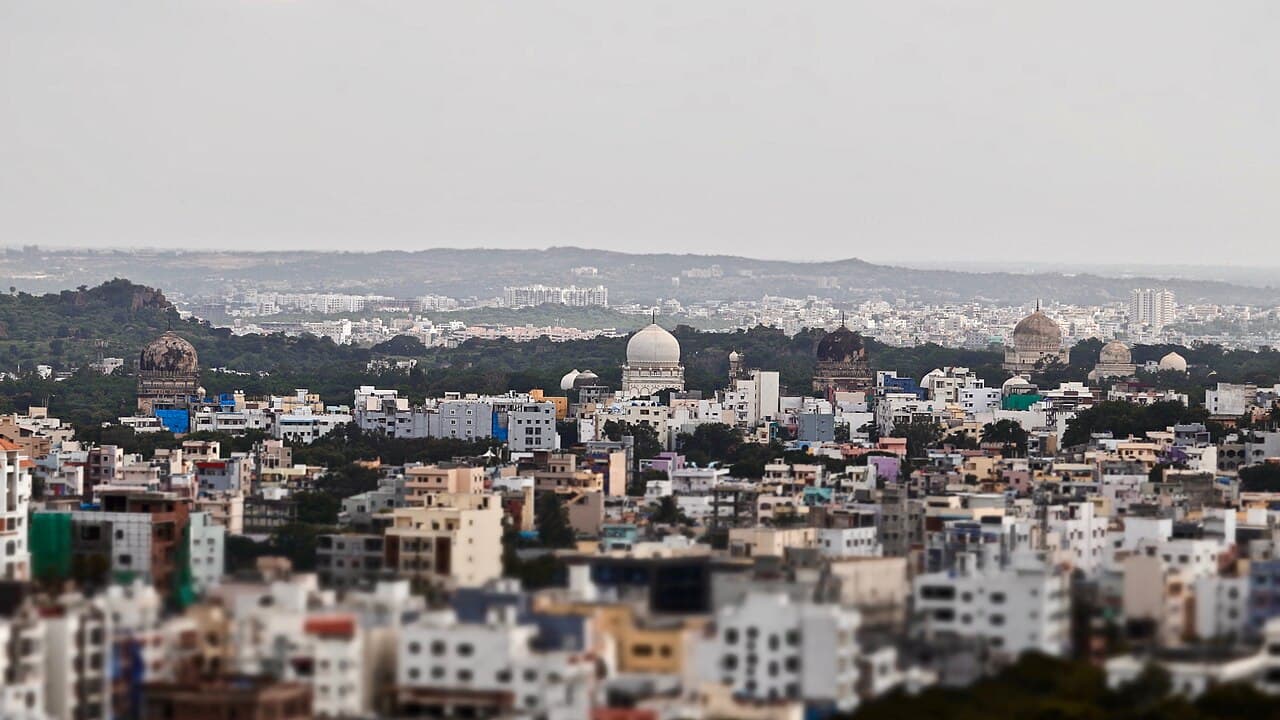
The Qutb Shahis founded Hyderabad around Charminar after ruling from Golconda. The Asaf Jahi dynasty, whose rulers were known as the Nizams, began its Hyderabad State rule later. Chowmahalla's official history dates the Asaf Jahi reign from 1724, while UNESCO's Qutb Shahi entry places Golconda, the tombs and Charminar in the earlier sixteenth- and seventeenth-century sequence.
The city contains both layers, often within the same day of sightseeing. Label them before comparing them. A Charminar-to-Chowmahalla walk crosses from a Qutb Shahi urban foundation into an Asaf Jahi palace story; it does not prove both monuments were built by the same dynasty. That simple distinction makes architectural differences and later reuse easier to understand.
- Qutb Shahi: Golconda, dynastic tombs and Charminar.
- Asaf Jahi: Nizams, Chowmahalla and later state institutions.
- Use dates on labels before using the word royal.
02
Read Chowmahalla as a working court
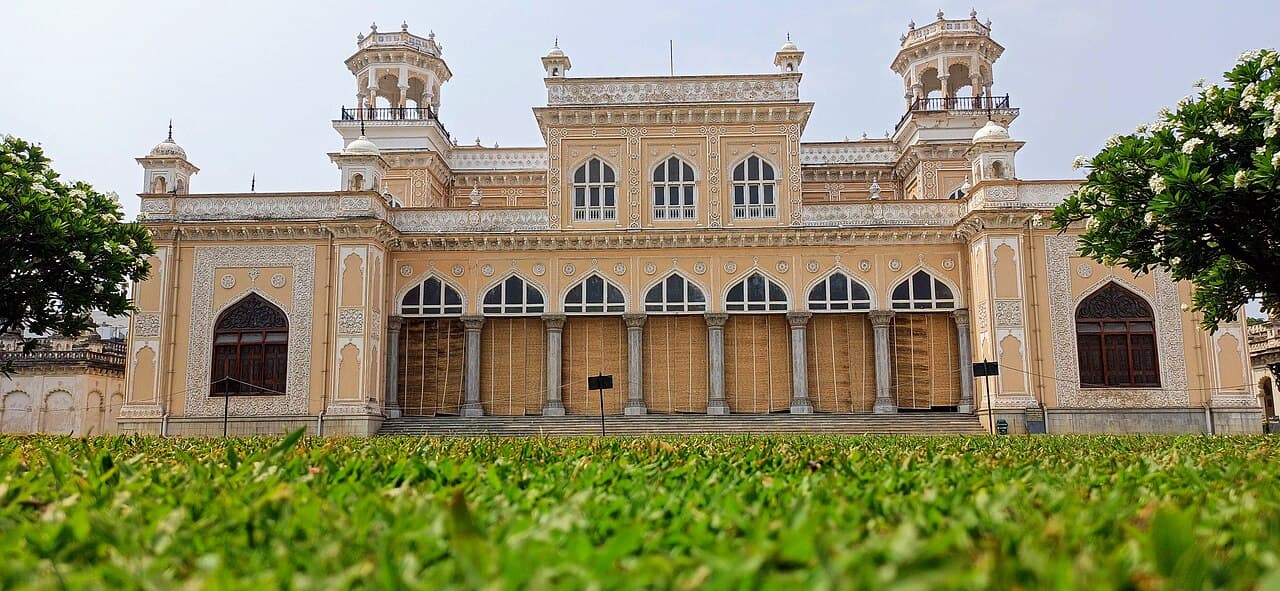
Chowmahalla's official site presents the palace as a seat of the Nizams and identifies Khilwat Mubarak as the heart of ceremonial life. Its collections include arms, books, documents and other objects, while successive structures show that a palace complex changes across generations. The useful question is not only how luxurious a room looks, but what public or administrative role it served.
Move from courtyard to hall and ask who could enter, where authority was staged and which objects communicate state or family memory. The palace recommends a substantial visit and publishes current photography restrictions. Verify those rules before arrival, keep food and waste where permitted, and do not convert thresholds, furniture or ceremonial platforms into portrait seating.
- Identify ceremonial, residential and collection spaces.
- Read documents and arms as political objects.
- Follow current mobile-photography and filming rules.
03
Look beyond the ruling family at Paigah Tombs
The Hyderabad district page describes the Paigahs as a powerful noble family closely connected to the Nizams. Their tombs at Pisal Banda use pierced screens, geometric surfaces, stucco and mosaic work. The complex widens Nizam-era history beyond the ruler's palace to the elite networks that supported the princely state.
Study screens as devices for light and enclosure, then compare repeated geometry with the palace's open courts and ceremonial halls. The tombs remain a funerary place, so lower voices, avoid leaning on graves and ask before photographing people nearby. Current access can be more changeable than at a major ticketed museum; confirm through the district or local authority before making a dedicated trip.
- Notice pierced screens, geometry and changing light.
- Treat graves and memorial space with restraint.
- Confirm current access rather than relying on an old blog.
04
Use the State Museum to question public collecting
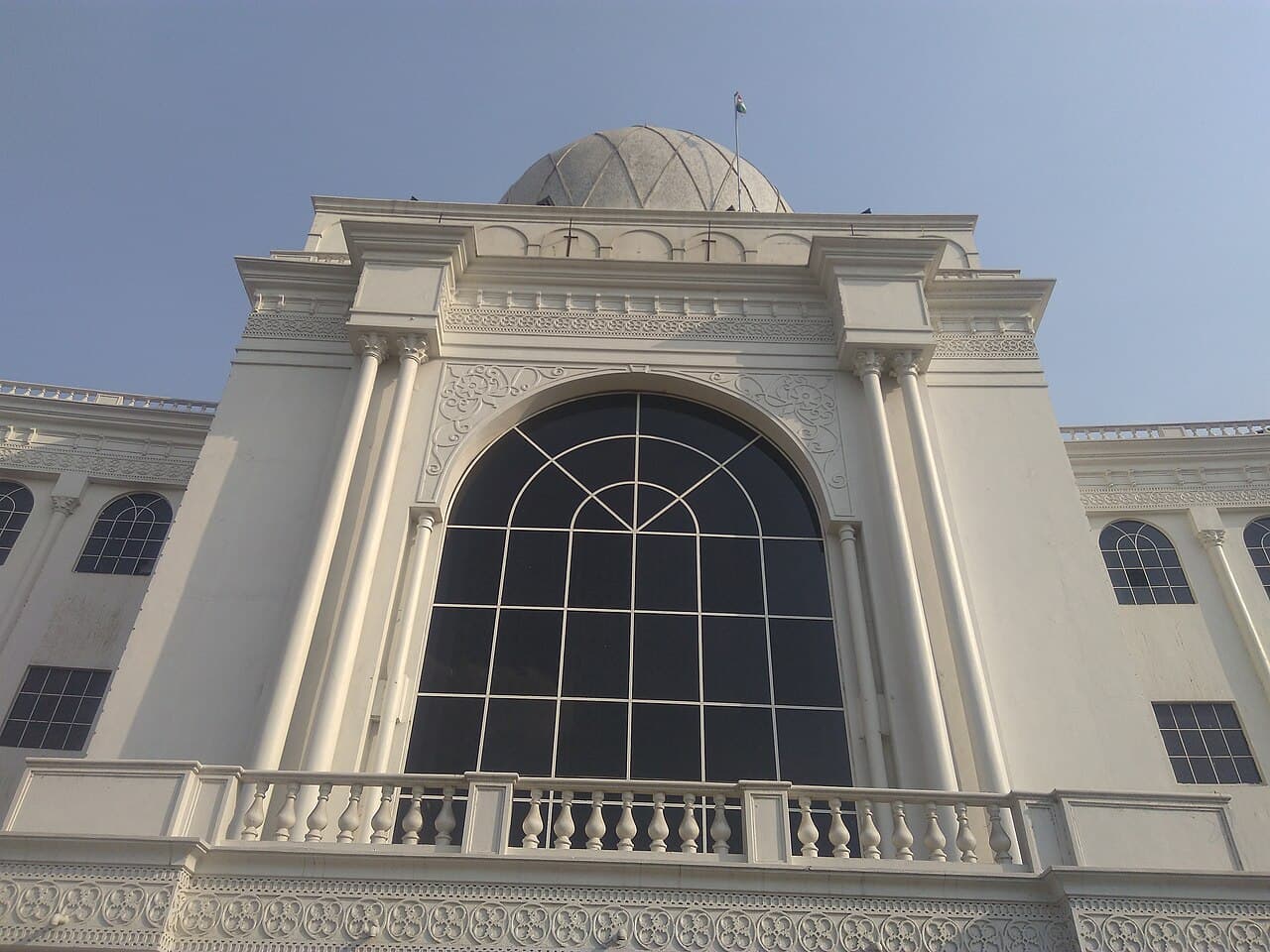
The Department of Heritage says the State Museum was established in 1931 by the seventh Nizam and occupies an Indo-Islamic building in Public Gardens. Its holdings range far beyond the Nizam period, including ancient sculpture, bronzes, paintings, an Egyptian mummy, architectural fragments and a sculpture garden. The institution therefore connects princely patronage with a much longer regional timeline.
Ask why objects from different periods are assembled in one public museum and how their labels identify find-place, date and acquisition. The building is also evidence: arches, domes and projected eaves frame a modern museum project in a princely capital. Confirm open galleries at entry, because conservation and rotation can make any online list incomplete.
- Separate the museum's founding date from object dates.
- Read provenance and find-place where labels provide them.
- Include the building and sculpture garden in the visit.
05
Connect Osmania University to language and state
Osmania University's official history says the seventh Nizam created the university by royal charter in 1917 and that Urdu was its original medium of instruction, with English compulsory as a language. The institution aimed to bring oriental and occidental learning together. This makes education and translation central to late Nizam-era state-building, not a footnote after palace history.
The campus remains a working university, not an open-air museum. Use the official history online to understand the institution and check current visitor or event access before entering academic buildings. Do not obstruct classes, photograph individuals without consent or claim that every campus structure is publicly accessible. The historical idea can be studied even when a building is closed.
- Read the 1917 foundation in the university's own account.
- Notice the role assigned to Urdu and English.
- Respect the campus as an active educational institution.
06
Compare how buildings and objects make authority
Chowmahalla stages court through courtyards, halls and a throne setting; Paigah Tombs use memorial architecture; the State Museum reorganises objects into public knowledge; Osmania University embeds state ambition in education. These functions create a more precise comparison than calling all four examples Indo-Islamic splendour.
Choose one repeated question at each place: who was the audience, what behaviour did the space organise, and what knowledge did it preserve. Architectural vocabulary should remain modest unless an official label supports a specific term. When dates or attributions differ across sources, record the disagreement instead of smoothing it into a confident but false story.
- Court: ceremony and administration.
- Tomb: memory and elite identity.
- Museum: collection and public interpretation.
- University: language, curriculum and state capacity.
07
Build a two-part Nizam-era route
An editorially coherent first outing combines Chowmahalla with nearby Old City context, while a second central-city visit uses the State Museum and the university's official history as different forms of public knowledge. Paigah Tombs works as a focused additional stop only after current access is confirmed. This is a thematic framework, not a fixed one-day itinerary or travel-time claim.
Before each visit, check the palace, museum, district and university pages for closures, events and visitor rules. Read one official page before arrival and one set of labels on site. That rhythm helps separate verified history from guidebook repetition. It also leaves room to understand Hyderabad as a city that kept adapting Nizam-era institutions after princely rule ended.
- Old City focus: Chowmahalla and surrounding urban context.
- Public-institution focus: State Museum and Osmania history.
- Add Paigah Tombs only with current access confirmed.
Useful answers
Reader questions
Did the Nizams build Charminar?
No. UNESCO's Tentative List entry identifies Charminar with Muhammad Quli Qutb Shah's new city in 1591. The Asaf Jahi Nizams belong to Hyderabad's later dynastic layer.
Sources: UNESCO World Heritage Centre; Chowmahalla PalaceWhat is the best place to understand the Nizam court?
Chowmahalla Palace is the clearest public starting point because its official site identifies the complex as the seat of the Nizams and explains ceremonial spaces and palace collections.
Sources: Chowmahalla Palace; Chowmahalla PalaceWhy are the Paigah Tombs part of Nizam-era history?
The district administration describes the Paigahs as a powerful noble family close to the Nizams. Their funerary complex reveals elite patronage outside the ruling family's own palace and tombs.
Sources: Hyderabad District, Government of TelanganaCan tourists freely enter Osmania University buildings?
Do not assume so. It is an active university. Its official history is public online, but access to campus buildings or events should be confirmed through current university information and local rules.
Sources: Osmania University; Osmania UniversityRead the evidence
Sources and further reading
These sources support the relevant sections above. Plans and comparisons are editorial suggestions. Check operators for current arrangements.
- Chowmahalla Palace ↗Chowmahalla Palace · Research date 14 September 2026
Asaf Jahi chronology, palace role as the seat of the Nizams, Khilwat Mubarak and collection themes.
- Visit ↗Chowmahalla Palace · Research date 14 September 2026
Current palace visitor rules, photography limits, practical planning and transport context.
- Paigah Tombs ↗Hyderabad District, Government of Telangana · Research date 14 September 2026
Paigah relationship to the Nizams, location and architectural features including pierced screens, mosaic and geometric work.
- Dr. Y.S.R. State Museum ↗Department of Heritage Telangana · Research date 14 September 2026
Museum foundation under the seventh Nizam, heritage building, collection span and sculpture garden.
- Museums ↗Department of Heritage Telangana · Research date 14 September 2026
Current state museum roster and collection descriptions for Hyderabad institutions.
- Origin and History ↗Osmania University · Research date 14 September 2026
The 1917 royal charter, seventh Nizam founder, original Urdu medium, English requirement and educational mission.
- Osmania University ↗Osmania University · Research date 14 September 2026
Current status as an active university and route to present institutional notices.
- The Qutb Shahi Monuments of Hyderabad Golconda Fort, Qutb Shahi Tombs, Charminar ↗UNESCO World Heritage Centre · Research date 14 September 2026
Earlier Qutb Shahi chronology and attribution of Golconda, the tombs and Charminar.
- Tourist Places ↗Hyderabad District, Government of Telangana · Research date 14 September 2026
Current district heritage roster and separate listing of Paigah Tombs, Chowmahalla, Charminar and other sites.